If you’ve been following the South African cannabis scene, you know it’s been a long, hazy road. From the 2018 Constitutional Court ruling to the signing of the Cannabis for Private Purposes Act in 2024, the “Dagga” conversation has moved from the shadows straight into the Union Buildings.
But as we kick off 2026, the vibe is shifting from just “staying out of trouble” to “building an industry.” According to the Department of Trade, Industry and Competition (the dtic), South Africa is officially positioning itself as a rising leader in the global hemp and cannabis market.

How Did We Get Here?
Before we look at what’s coming in 2026, it helps to understand how things have evolved. Many South Africans are still confused about what is actually “legal” when it comes to weed. So let’s break it down simply:
- 2018 (The Privacy Win): The Constitutional Court ruled that adults may grow and use cannabis in private.
- 2024 (The Law): President Ramaphosa signed the Cannabis for Private Purposes Act (CfPPA). This officially removed cannabis from the Drugs and Drug Trafficking Act.
- The “Grey Area”: While you can legally have it and grow it, the law still prohibits “dealing” – meaning you technically can’t sell your harvest or buy a bag from a shop legally…yet.
This is why 2026 is the “Golden Year”: It is the year the government finally plans to bridge the gap between private use and a legal commercial market. In other words, the “grey area” won’t be so grey anymore.
3 Big Changes Coming in 2026
1. The April 2026 Commercialisation Policy
Minister Parks Tau has confirmed that the Hemp and Cannabis Commercialisation Policy is set for Cabinet approval by April 2026.
Why it matters: This policy is the “Master Key.” It will define exactly how retail shops, dispensaries, and social clubs can operate legally without fear of the “grey market” label.
2. The “2% Rule” for Hemp
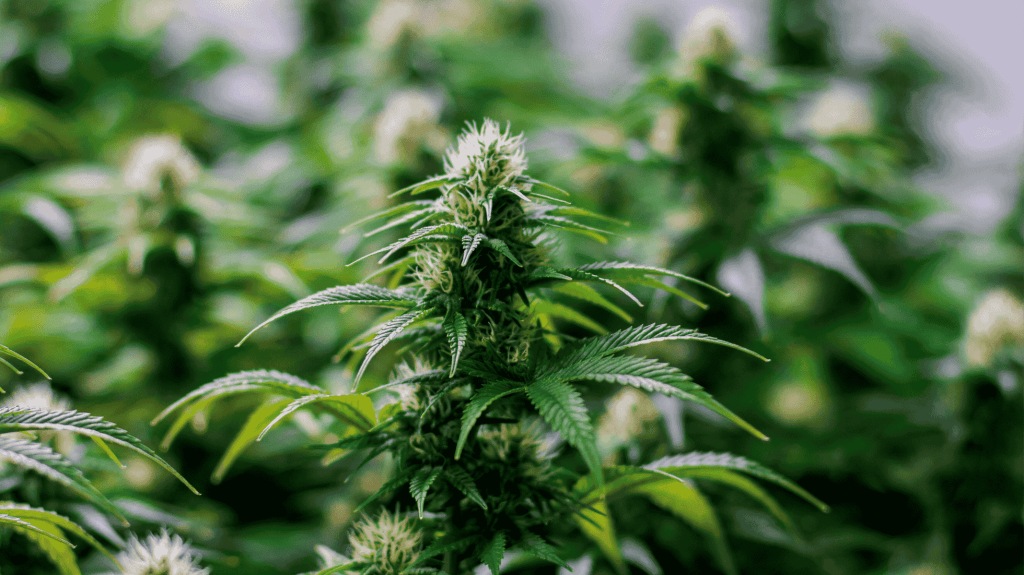
In a massive win for farmers, the Plant Improvement Act was updated in late 2025. South Africa has officially raised the THC limit for industrial hemp from 0.2% to 2%. Our intense South African sun often caused plants to produce more THC than the old laws allowed, leading to “hot crops” that had to be destroyed. The new 2% limit makes it much easier for local farmers to grow compliant crops for textiles, construction (hempcrete), and oils.
3. SABS Safety Standards (SANS 8233)
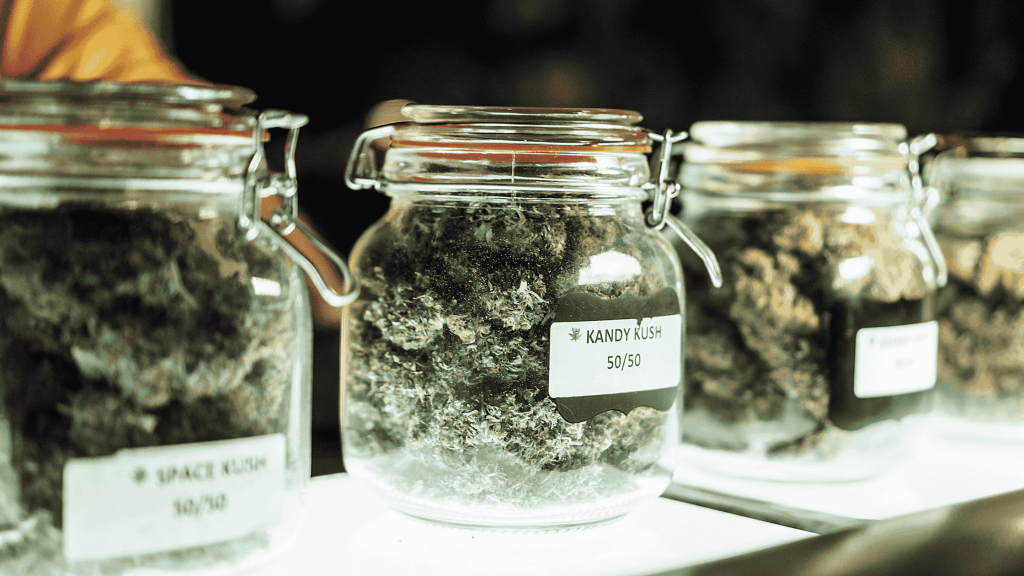
Tired of not knowing what’s actually in the jar you bought at a “wellness club”? The South African Bureau of Standards (SABS) is finalising SANS 8233. This will mandate standardised packaging, lab-testing for pesticides, and clear THC/CBD labeling. By the end of 2026, “mystery weed” will be a thing of the past.
Economic Opportunity: The R20 Million Boost
The government isn’t just making rules; they’re opening the taps. Money taps, that is. The Agro-Processing Support Scheme (APSS) now specifically includes the processing of cannabis and hemp. What this equates to is an additional monetary-based opportunity for cannabis growth in South Africa. Funding opportunities mean job opportunities, which means a stronger economy. There are certain conditions, but at a high level, this is what it looks like:
- The Deal: A cost-sharing grant of up to R20 million.
- The Goal: To help South Africans build factories that turn raw plants into medicine, clothes, or food.
- Who it’s for: Registered businesses with a valid permit and a solid plan to create local jobs.
In a nutshell, if you are a registered licence or permit holder in South Africa for cannabis or hemp, this is a great opportunity for sustainable economic growth through job creation in our country.
FAQ: Your 2026 Cannabis Questions Answered
As of early 2026, the Commercialisation Policy is still being finalized. Selling remains in a legal “grey zone” until the new permits under the April 2026 policy are issued.
Under the Cannabis for Private Purposes Act, you can grow up to four flowering plants per adult, or eight per household if two or more adults live there.
The National Cannabis Master Plan is the government’s strategy to turn the industry into a R28 billion sector that supports “legacy farmers” (those who grew long before it was legal) and new entrepreneurs alike.
Join the Green Renaissance
South Africa is no longer just a spectator; we are building a multi-billion rand industry. With the April 2026 Commercialisation Policy on the horizon and the new 2% THC hemp limit, the “Green Gold” is finally within reach for every South African.
The question is no longer if the industry will open up, but how you will choose to participate.
What do you think? Is the government doing enough to support local growers, or are the rules still too strict? Drop a comment below – we’d love to hear your thoughts!

 The Weed Blog
Leave a comment